
Once upon a time, Indian mythological stories used to take centre stage amidst the growing kids. As generations and generations of children grew up, it was not anything out of the way to have the characters of
Ramayana and
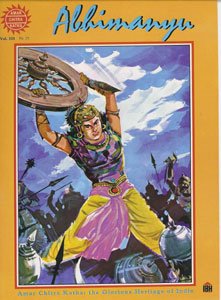
Mahabharata etched in the young minds. Tales of valour and honesty were retold by grandmothers and it was one of the key factors of the growing up process for Indian kids. I had the good fortune and privilege to be associated with several such narrations at various stages of my childhood. My mother retold several hundreds of mythological stories, and my grandmother supplemented with more during the summer vacations. Summer vacations were fantastic, in the sense that all the cousins used to sit together to get the briefing dating back to good old times. Grandmothers are the best companions for young kids, and we were awed and surprised by the turn of events in Indian Mythology. Apart from this, we also had Amar Chitra Katha to look forward to. The Amar Chitra Katha series truly represents the powerhouse of Indian culture and tradition. I could get a lot out of those comic strips, and simple narration and style got me hooked to the fascinating journey taking me down the memory lane.
But, today is a different story. Almost in every conversation, while taking the reference of any character from the great epics, we do not owe an explanation to the other party. It is taken for granted that you have grown up with the epics, and that it is embedded in you. I was in for a rude shock today, as I got to know the extent of epics some of them knew. Draupadi - Oh! I know, she is the wife of the Pandavas. Panchali - Of course, I know! She is the mother of the Pandavas. Who is the eldest of the Kauravas? Karna! Now, this is something new in Mahabharata. Who won the war? There is a slight gap, as the thought process is getting ready. After some sighs and gasps comes the answer - Pandavas. Thank God! I did not have the courage to pursue with the second set of characters like Kunti, Madri, Pandu or Vidura. There was this classic. Atleast, tell me who is Yudhishtira? Come on, I know this. I am not that ignorant. He was the person who is blind right, came the answer! By this time, I realised that the Mahabharata discussion had to end before the characters were marauded and crucified, and of course, before the mythologies were replaced by their own set of characters with a new storyline.
In India, we can't have these epics in our classroom studies, else we will be accused of favouring saffronism. But, people should realise that India is heading in a totally flawed direction or rather in an absolutely erratic, westernised path. There should be a sense of pride in us to preserve the glory of the yesteryears, else we will be lost forever.

Comments
Post a Comment